
When the Destination Earns the Drive
I’m not going to lie: I almost talked myself out of this trip three times. Once when I realized it was a 4-plus-hour drive from Redding. Once when I looked at the calendar and had to decide between leaving Thursday evening (with kids who have school the next morning) or Friday (which meant arriving at the campground in the dark). And once when my husband looked at me and said, “You know this is basically an overnight in the car, right?”
This post contains affiliate links. If you purchase through these links, I may earn a small commission at no extra cost to you.
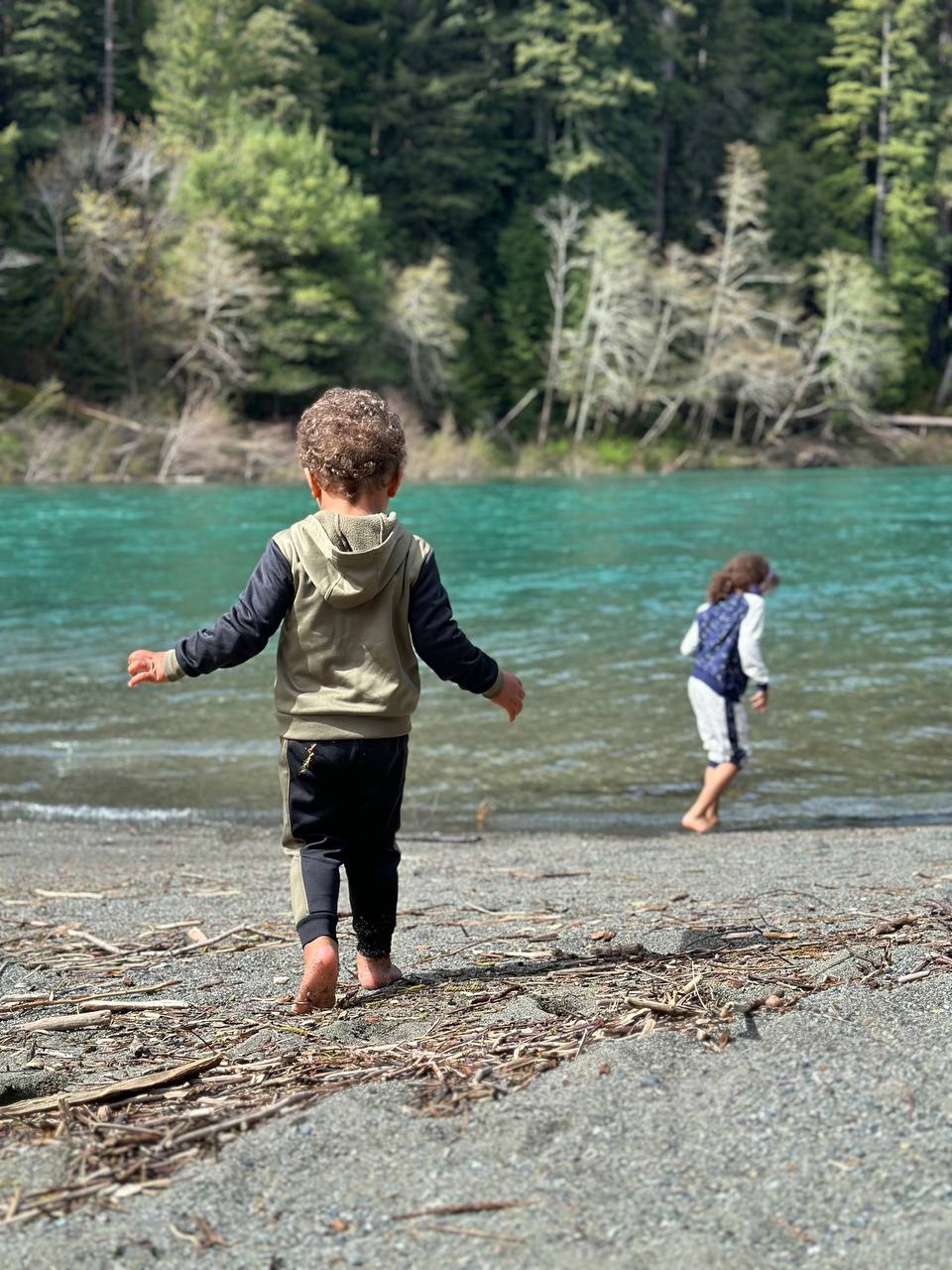
Reader, we went anyway. And Jedediah Smith Redwoods State Park is one of those places that makes you mad you waited so long to go. You take I-5 north through the mountains, cut over on US-199 somewhere past the Oregon border, and by the time you’re heading into Crescent City the canopy has closed over the road and both my kids went completely silent. My 9-year-old, who had been asking how much longer every 20 minutes, just stopped. That kind of place.
Why It Matters (and Why the Drive Is the Point)
Here’s the thing nobody tells you about living in Northern California: we are genuinely surrounded by some of the most incredible landscapes on earth, and we treat them like errands. I have driven to Sacramento more times than I’ve been to the redwoods. That says a lot.
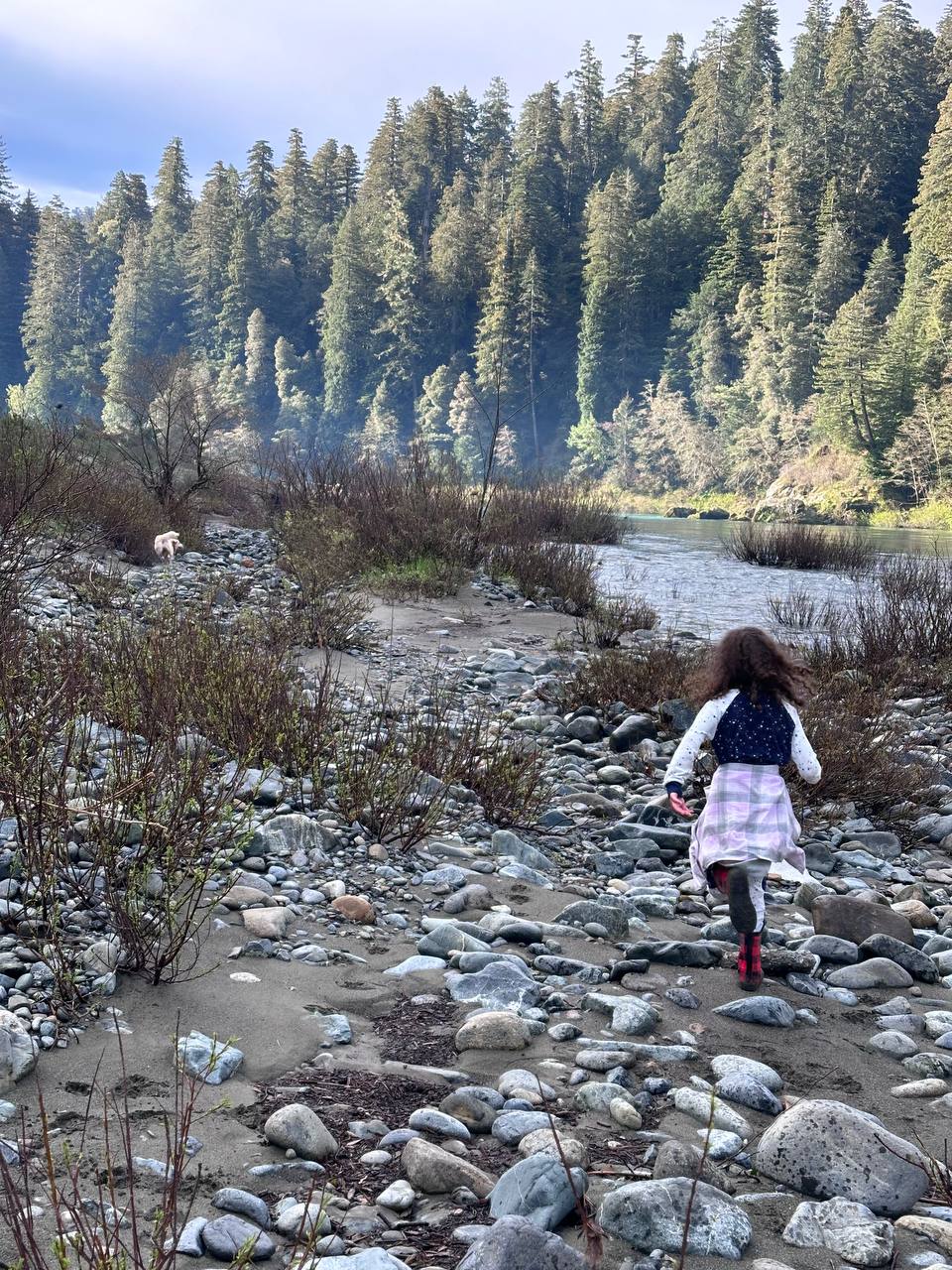
Jedediah Smith is not a day trip. It’s 10,000 acres of old-growth redwood groves, trees that were already old when your great-great-grandparents were born. It protects the Smith River, one of the cleanest rivers in the country. The campground has hot showers and flush toilets and a general store nearby, so this is not the kind of roughing it that requires you to lose your mind over logistics. But it does require you to actually commit. Two nights minimum. A real packing list. And accepting that sometimes the best thing you can do for your family is make them go somewhere that requires effort to reach.
The Thursday Night Decision (Make It)
- Highlight: Leaving Thursday evening after school pickup changes everything. You arrive before dark, you have Friday as your full exploration day, and you avoid the weekend crowd at the trailheads. I know Thursday feels impossible. It’s not. I pulled my kids from school at 3pm, had the car packed the night before, and we were on I-5 by 4pm heading north. We cut over on US-199 from the Oregon side, swung through Crescent City, and made it to the campground by 7:30pm with dinner still warm in the cooler.
- Logistics: The campground is open year-round. May through October you can reserve a site on ReserveCalifornia.com — do this early, sites go fast. November through April is first come, first served. Family sites have restrooms, hot showers, and drinking water. Budget around $35-45/night.
- Real talk: Build a real lunch stop into the drive. We stopped in Yreka and sat down at an actual restaurant, and it reframed the whole trip for me and the kids. This is a considered outing. It should feel like one from the first hour.
- Kid note: The drive is long enough that you need a plan. Audiobooks, snacks with intention, and something to look forward to at the campsite. The anticipation is part of the trip.
Saturday: The Trees Will Humble You
- Highlight: Stout Grove first. It’s a 0.9-mile loop through old-growth redwoods and it will stop you in your tracks. The trees are 340 feet tall and the whole grove has a hush to it that is genuinely hard to describe. Follow it with the Simpson-Reed Trail, one mile, flat, completely manageable for a 5-year-old, and so lush you feel like you’re inside a terrarium.
- Logistics: Start Stout Grove by 8am. Day visitors start arriving by mid-morning, especially on summer weekends. One important note: dogs are not allowed on trails in the park (service animals excepted), so plan accordingly.
- Kid note: We broke both trails into chapters, trailhead to the big nurse log, nurse log to the meadow, and so on. It keeps the “are we done?” questions manageable. My kids made camp friends by that first evening and spent the rest of the weekend trading watercolors at the picnic tables. They learned more about the local plants and trees from a neighboring family than any trail guide could have taught them. Some of the best parts of a trip like this are the ones you don’t plan.
- Save for later: The Boy Scout Tree Trail is 5.5 miles one way and sounds incredible. I’m noting it here as a future trip for when my kids can actually hike it. Some places earn a return visit.
Camp Kitchen, Elevated
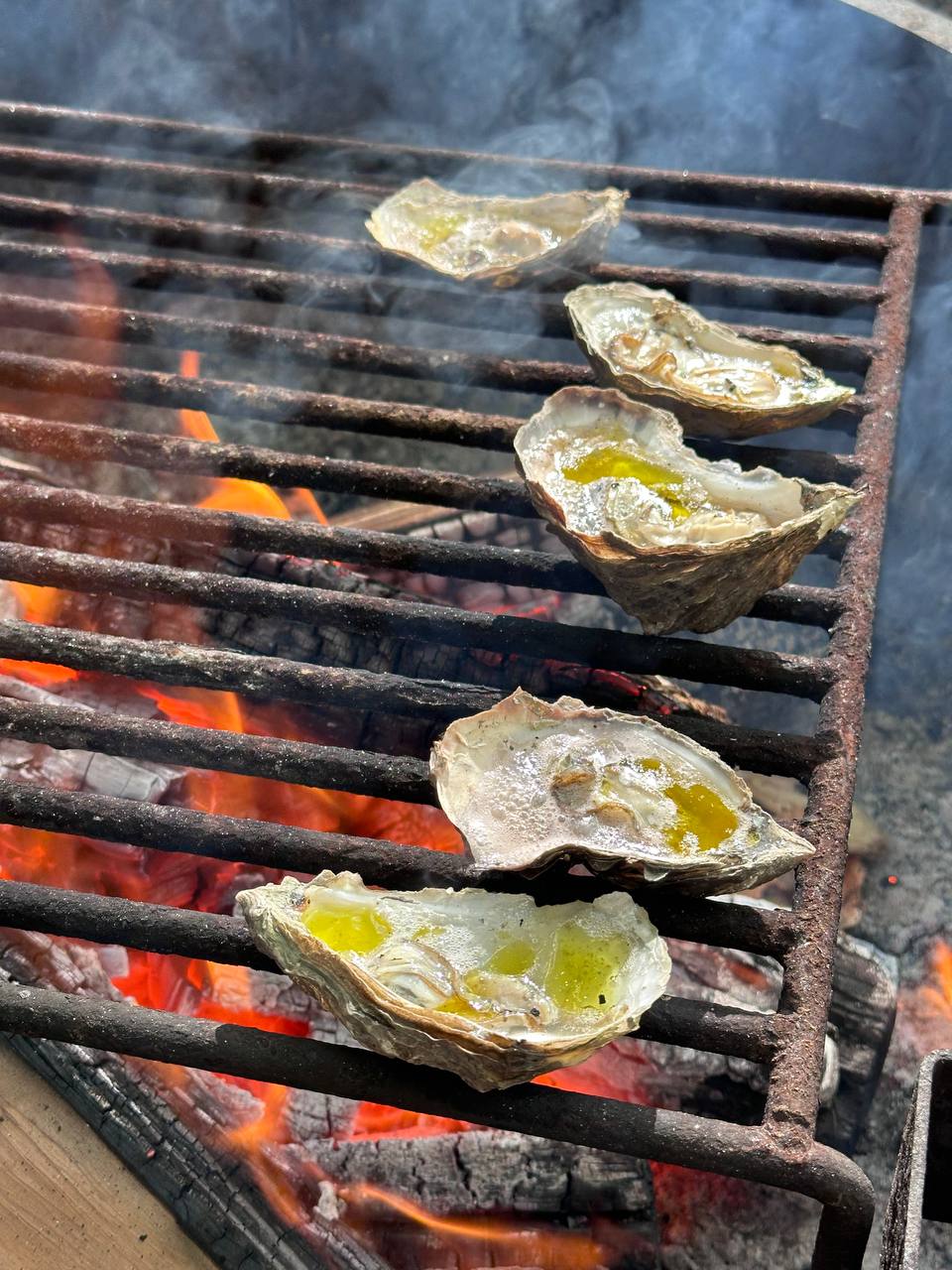
- Highlight: For a longer drive, the effort you put into your camp pantry pays for itself. My standard tote for this trip: Nugget Markets focaccia, organic ramen with miso broth packets, Stumptown cold brew cartons, Humboldt Fog cheese (you are, give or take, in Humboldt), Rancho Gordo beans, and smoked salmon if I can find it at the Crescent City farmers market on the way in.
- Logistics: Crescent City is 9 miles west of the park. There’s a Safeway and a handful of local spots. Stop there on your way in so you’re not backtracking later. I also swing through the farmstand in Anderson on the way up for berries and sourdough, and somehow that ten-minute stop makes the whole trip feel more considered.
- Kid note: Each child packs their own “signature snack.” Currently: seaweed sheets (the 9-year-old) and Trader Joe’s gummy penguins (the 5-year-old). Non-negotiable. It gives them skin in the game.
- The miso broth on the first night, in camp chairs, under the redwoods: That’s the recipe worth writing down.
Wardrobe & Gear
- Layer up and mean it: The redwood coast runs 15-20 degrees cooler than Redding, year-round. Even in July. I learned this the hard way the first time I packed for a NorCal coast trip and stood in 50-degree fog in a linen shirt. Merino base, brushed-cotton middle, windproof shell. One luxe item: I bring a cashmere beanie and leather camp slides because I genuinely feel better when I don’t look completely feral by day two.
- Footwear: Trail boots for hiking, lodge slides for camp. Each family member. Shoes go in stackable IKEA bins by the tailgate so the mud stays contained in the car and not on my nerves.
- Sleep system: Stoic doublewide sleeping bag for us, REI Kindercamp bags for the kids with Pendleton blankets layered over. Lows in the 40s most nights up there, even in summer.
- Car organization: Clear 12-quart bins — grab a set of family camping gear essentials to keep everything in reach: COOK, CLEAN, WEAR, PLAY. On a long trip, having everything labeled is not extra. It’s the only reason I’m not unloading the entire trunk at 7pm looking for the headlamps.
Reflection
We pulled back into Redding on Sunday afternoon. Pine needles in my hair, both kids asleep somewhere past Red Bluff. My husband looked over at me and said “okay, that was worth it.” Which is basically his version of a standing ovation.
Here is what I know: there is a version of this trip you can do impulsively and there is a version you can do with intention. The intentional version is better. It’s packing the night before. It’s leaving on a Thursday. It’s making the drive feel like the beginning of something instead of an inconvenience to endure. Jedediah Smith doesn’t need your help to be impressive. Those trees were doing just fine before we got there. But if you show up prepared, if you’re not scrambling for gear or stopping at a gas station for dinner, you’ll actually be present enough to let it land.
My challenge: look at your map, find the trip you’ve been putting off because the drive felt too long, and go book the site. You probably won’t regret it. Jedediah Smith is one of five parks we love in this part of the state — see the full Northern California family campground guide for more.
Practical Notes & Packing Cheatsheet
- Reservations: ReserveCalifornia.com; popular sites sell out weeks in advance in summer. November-April: first come, first served. Aim to arrive by noon Friday to secure a good spot.
- Route from Redding: Take I-5 north through the mountains, cross into Oregon briefly, then cut south on US-199 toward Crescent City. From there it’s about 9 miles east to the park entrance.
- Weather: Pack for 15-20 degrees cooler than Redding, no matter what month it is. Bring real layers. You will need them.
- Connectivity: Cell service is minimal past Crescent City. Download offline maps in AllTrails and CalTopo before you leave. Don’t count on navigating from memory.
- No dogs on trails. Campground is dog-friendly. Trails are not (service animals excepted). Plan for this in advance.
- Federal Access Pass: One of the few CA State Parks that accepts it. Worth knowing if you have one.
- Budget tip: Pack your own dinners and do one splurge lunch in Crescent City. The local seafood is excellent and the town is genuinely underrated. It offsets the site fee without sacrificing anything.
- Leave-no-trace: Cloth napkins, biodegradable soap, a small trowel. A dry bag is clutch for river lunches and keeping electronics safe near the water. We leave the campsite looking like we were never there. It’s a small thing and it matters.