
Sustainable Luxury Family Travel: 15 Tips Beyond Reusable Water Bottles
It started with a simple question during breakfast at our Copenhagen hotel. My 8-year-old daughter, pouring herself juice from a glass carafe, looked up and asked: “Mom, why doesn’t this hotel have those little plastic bottles like the other places?”
We were staying at the Scandic Spectrum, and she had noticed the refillable dispensers. The organic breakfast buffet. The bike rental program. And suddenly, I realized our kids were paying attention to how we traveled. Not just where we went, but how we showed up.
Yes, we travel with our reusable water bottles, bamboo utensils, and metal straws. But after years of trying to balance our love of luxury travel with our values around sustainability, I’ve learned that meaningful eco-travel requires a deeper individual commitment. It’s about choosing hotels that walk the talk, seeking out experiences that give back, and teaching my kids that the most luxurious (and well-mannered) thing you can do is leave a place better than you found it.
Here’s what’s actually worked for our family beyond the basics everyone already knows!
1. Choose Hotels with Serious Sustainability Credentials (Not Just Greenwashing)
The Scandic Spectrum hotel in Copenhagen opened our eyes to what genuine commitment looks like. They weren’t just putting a “reuse your towels” card in the bathroom, they had comprehensive organic waste programs, energy-efficient systems throughout, and locally sourced food at every meal. The difference was palpable.
The luxury angle: These hotels typically have better amenities because they’re thinking holistically about quality. Fresh, local food tastes better. Buildings designed for efficiency are often more thoughtfully designed overall. The heated bathroom floors made me smile after each shower!
What to look for: LEED certification, Green Key, EarthCheck, or B-Corp status (in Scandic’s case the Nordic Swan Ecolabel). Read their actual sustainability reports, not just marketing copy.

2. Make Farm-to-Table Dining Your Standard, Not Your Splurge
Some of our most memorable meals have been at restaurants deeply connected to their regions. Press Restaurant in Napa Valley, where the focus on local sourcing is central to the restaurant’s identity. Chez Panisse in Berkeley, where we discovered tomatoes that “tasted like sunshine.” Fiskerestaurant in Skagen, Denmark, where our son ate fish caught that morning. Les Resistants in Paris, France, where the farmer literally delivered to the back door while we dined.
These weren’t just dinners or lunches, they were lessons in seasonality, locality, and why food tastes better when it doesn’t travel across continents.
The luxury angle: This is luxury. You’re not eating imported, out-of-season strawberries in January. You’re eating what’s at its peak, prepared by people who know the farmer’s name. I hope one day this kind of luxury is more ubiquitous.
3. Turn Junior Ranger Programs Into Your Signature Family Activity
The junior ranger program at Henry Cowell State Park transformed my daughter from a kid who kept begging me to watch the iPad on the drive home into someone who talked about old-growth redwoods and bird watching for weeks. No complaints here! At Montaña de Oro State Park, she earned her badge by identifying coastal plants and learning about erosion.
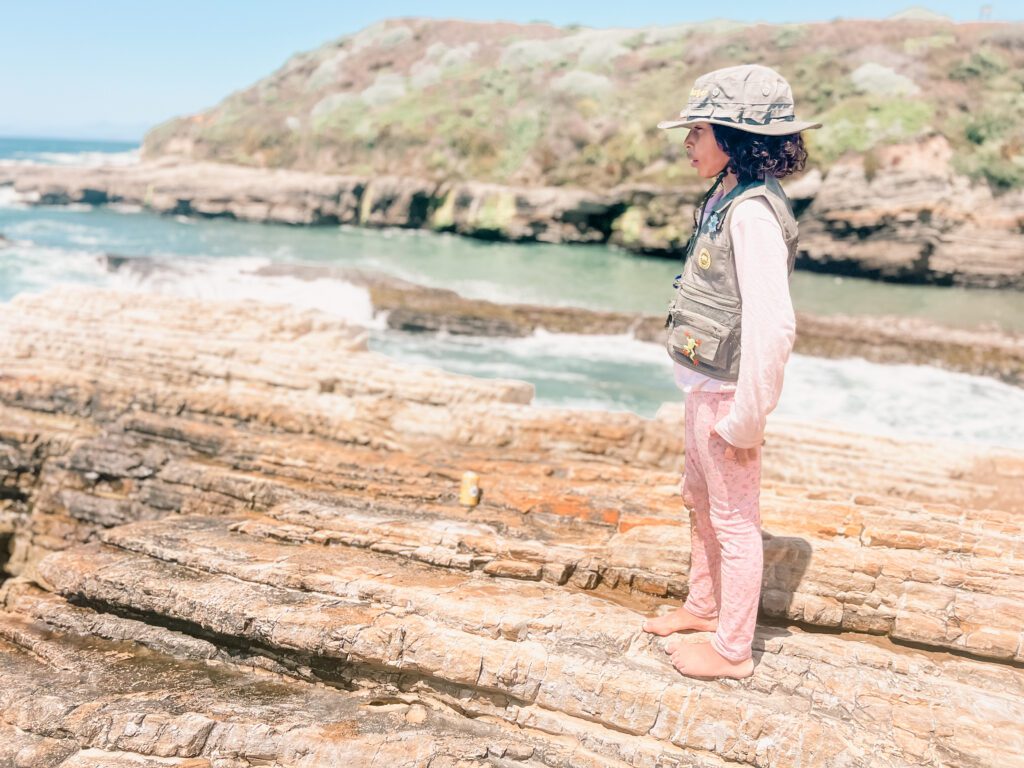
These programs are free, deeply educational, and instill genuine conservation values. Plus, they tire kids out in the best way. My son joined the program as an honorary junior ranger, technically kids have to be able to read the Junior Ranger Oath to participate formally in the program.
The luxury angle: The luxury is in the depth of experience. Anyone can drive through the redwoods and see the trees. Your kid can understand its ecosystem and that learning will stay with them throughout their lifetime.
4. Pack Reef-Safe Sunscreen Like Your Trip Depends on It
Because our ocean’s coral reefs literally depend on it. We use Supergoop! religiously, not just for our daughter’s snorkeling experience in Jamaica, but for every beach, pool, and outdoor adventure. When she went snorkeling and saw parrotfish and brain coral up close, the conversation about protecting those ecosystems became visceral.
What to avoid: Oxybenzone and octinoxate, which damage coral reefs.
5. Ditch Single-Use Plastics with Systems That Actually Work
Reusable water bottles are great, but paper snack bags and beeswax wraps have been game-changers for us. Plane snacks. Beach picnics. Day trips. We can pack sandwiches, fruit, crackers, all without generating a bag of trash by mid-morning. It can actually be quite convenient since we don’t always have access to trash can while we are traveling.
The upside: You’re not scrambling to find food or dealing with hangry kids in overpriced airport restaurants. You have exactly what you want (and what they want), when you want it without the excess waste.
6. Choose Experiences Over Souvenirs
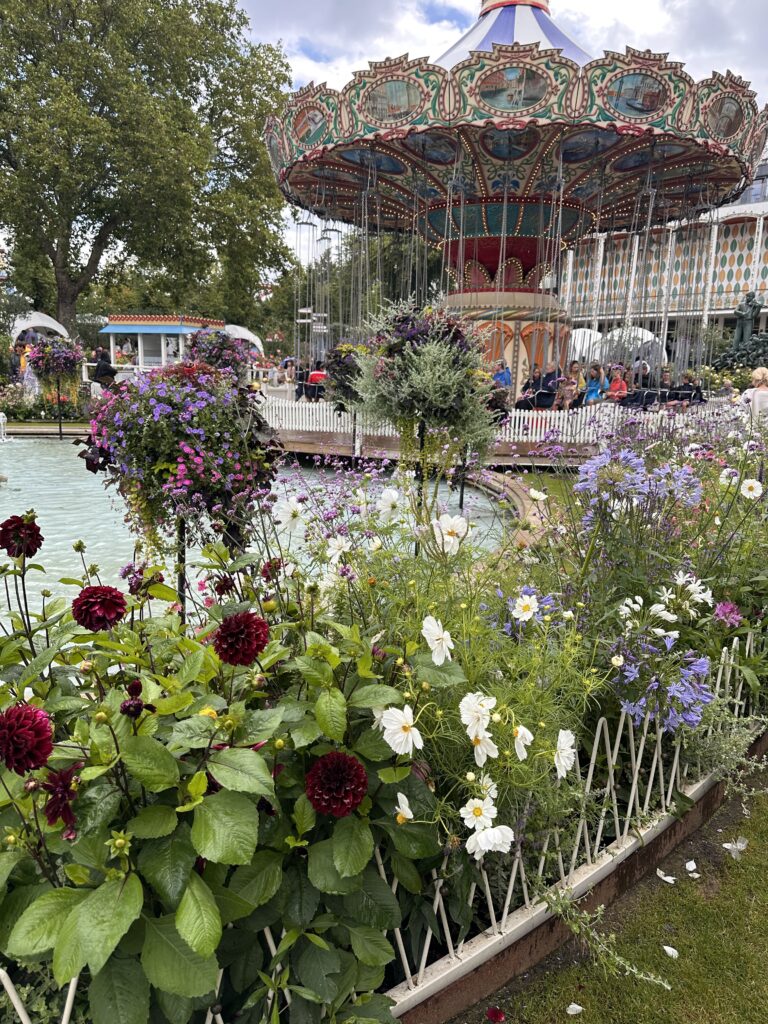
Instead of another stuffed animal from the gift shop, we invest in doing things together. A private dinner. A guided nature walk with a marine biologist. A day at an Amusement Park.
These don’t clutter our home, and they create stories our kids still tell. Our son still talks about “flying with Daddy on the ride in Denmark”.
7. Visit Zoos and Aquariums That Prioritize Conservation Education
Not all zoos are created equal. We seek out institutions with genuine conservation programs and educational missions. The Monterey Bay Aquarium. Aalborg Zoo. Places where our kids learn about habitat loss, endangered species, and what they can do to help.
My daughter now knows more about ocean acidification than most adults. Our son passionately defends polar bears.
The luxury angle: These tend to be world-class institutions with thoughtfully curated exhibits. It’s not just entertainment, it’s transformative, deep learning.
8. Stay Longer, Move Less
Instead of cramming five cities into 10 days, we’ve learned the luxury of staying put. Rent a villa or apartment for a week. Get to know a neighborhood. Shop at local markets. Let kids make friends at the park.
Not only does this reduce transportation emissions dramatically but it also allows you to live like a local, not a tourist sprinting through checkpoints. Your whole family will gain a deeper knowledge of your destination.
9. Take Trains Over Flights When Possible
Yes, it’s slower. That’s the point. Our train ride from Paris to Montauban was an adventure! The kids were mesmerized watching the French countryside roll by, from the urban sprawl giving way to farmland to the golden hills of southwestern France. No cramped plane cabin, no turbulence anxiety. Just space to move around, snacks we brought ourselves, and the gentle rhythm of the rails. If you happen to be planning a trip to France, the TGV has different train cabins. You can book first and second class cabins. Second class cabins offer “espace carre” with a 4-top table arrangement and “espace famille” a special space available for families.
What I love: No security lines. No early airport arrivals. No baggage claim chaos. Just scenery, space, and time to breathe. You arrive relaxed, not frazzled. On our TGV ride my daughter spent half the journey sketching what she saw out the window. Our son napped peacefully, then woke up excited to spot cows and sunflower fields. It was great!
10. Seek Out Conservation Experiences
Turn your vacation into participation. Sea turtle releases. Wildlife monitoring. Coral restoration programs. These exist at many luxury resorts, and they’re profound for kids.
The experience of helping release baby sea turtles will matter more to your children than any water slide ever could.
11. Walk, Use Public Transit, or Choose Electric Vehicles
At home, we drive an electric car. It’s our daily commitment to reducing emissions. But when we traveled to Copenhagen, we discovered something even better: we didn’t need a car at all. We walked everywhere, and when distances were too far, we took taxis (shout out to Bolt!).
The luxury of a walkable city meant our kids noticed more. The architecture and design. The bikes. The canals. They weren’t strapped into car seats staring at screens, they were in the city, experiencing it at a human pace, asking us questions along the way.
When you do need a car: Rent electric or hybrid vehicles. Many destinations make this easy and affordable.
12. Pack a Family “Sustainability Kit”
Beyond water bottles: collapsible food containers (for restaurant leftovers), cloth napkins, portable utensils for everyone, a compact tote bag for impromptu market visits, and a small trash bag for “carry in, carry out” hikes.
It sounds like a lot, but it all fits in a gallon-sized bag, and it prevents dozens of single-use items per trip. For my fashion girlies, there are beautifully crafted versions of these products that make sustainability gorgeous.For the fashion-conscious, there are beautifully crafted and stylish versions of these products available, proving that sustainability can be gorgeous.
13. Choose Locally-Owned Tour Operators
When you book through local guides and small operators, more money stays in the community. They also tend to have deeper knowledge, more sustainable practices, and flexible schedules that work with young kids.
The local guide who took us through Skagen’s neighborhoods shared stories no tour bus ever would.
14. Make It a Learning Journey for Your Kids
Give your daughter a journal to track “eco-wins”, every refillable bottle used, every plastic item avoided, every conservation lesson learned. Let your son collect beautiful stones instead of buying trinkets (then return them before you leave).
Make sustainability part of the adventure, not a chore. These become embedded into your trip experience and are memorable things for you and the kids to look back on.
15. Support Accommodations That Give Back
Look for hotels and resorts with community programs. Some employ locals exclusively. Others fund schools or conservation projects. The Iberostar Foundation (now owned by IHG Group), for example, has extensive programs supporting social action, coastal protection and local education programs.
Your accommodation choice is a vote for the kind of tourism you want to see in the world.
The Real Luxury
What I’ve come to believe is this: sustainable luxury travel isn’t about sacrifice. It’s about alignment. It’s about showing our kids that this world we’re lucky enough to explore is worth protecting. That beauty and culture and comfort can coexist with care.
Our daughter, who used to leave every gift shop with a plastic souvenir, now checks if restaurants compost. Our son proudly tells people he only eats “fish that swam in that ocean.” They’re learning that luxury doesn’t have to mean excess, it can mean depth, mindfulness, and connection.
So yes, pack your reusable water bottles. But also, take the train! Support the small family-run farm or the resort with solar panels and refillable soap dispensers. Sign your kid up for the junior ranger program. Let your money reflect your values.
Because when you do, you’re not just leaving lighter footprints, you’re leaving lasting lessons. And that kind of travel? That’s the real luxury.

This post contains affiliate links — if you purchase through these links, we may earn a small commission at no extra cost to you.