
The 6 Best Trends of 2026 for Great Family Vacations
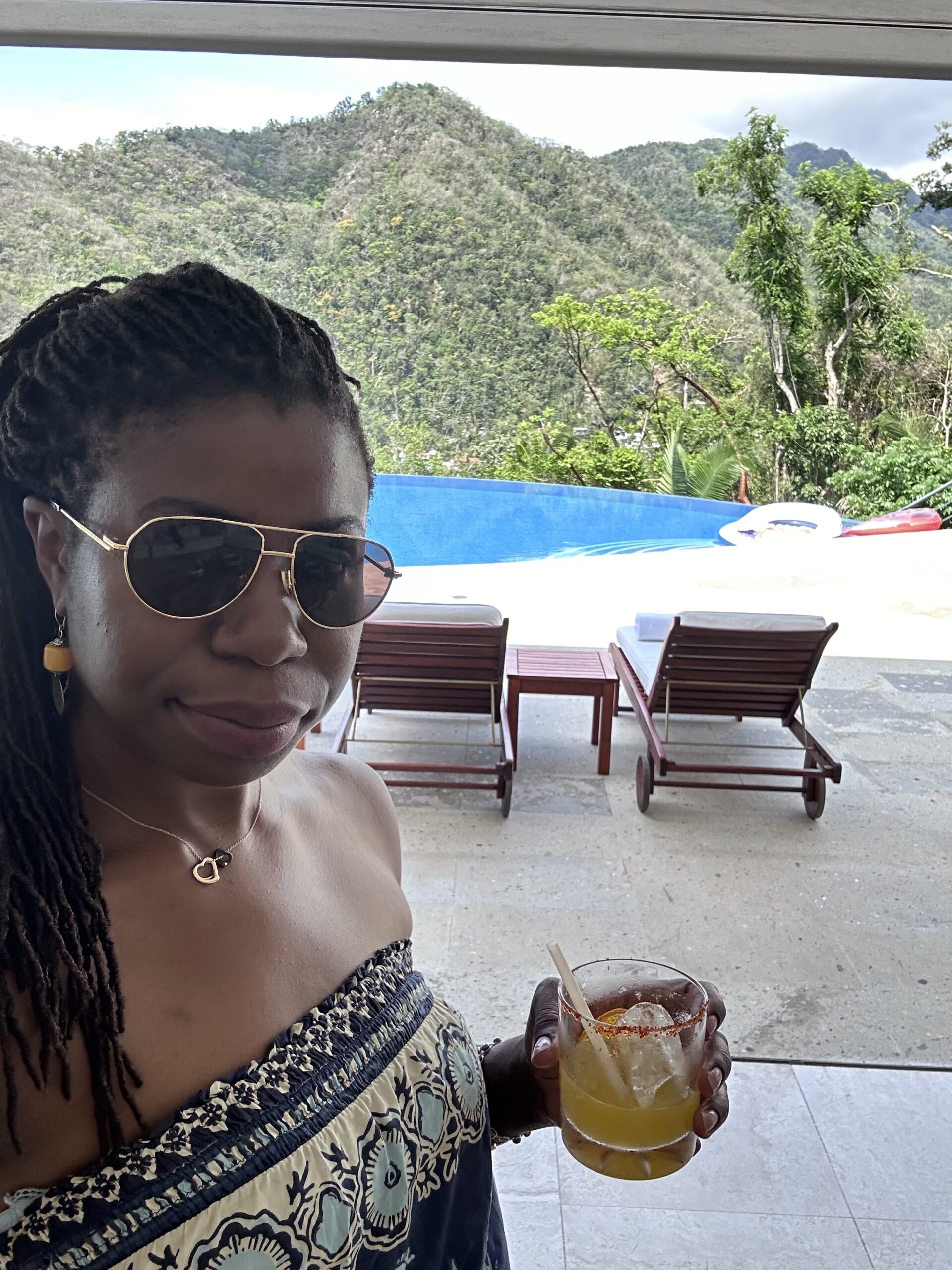
If you’re already thinking about next year’s trips while still unpacking from your last one, you’re in good company. Many of the families I work with are in the same boat. Between shifting parenting priorities, an evolving global travel landscape, and the growing desire for easy planning, 2025 has reshaped the way families are moving through the world. And 2026 is poised to take that shift even further.
In fact, one thing became very clear this year. Families want trips that feel purposeful. More and more parents crave itineraries that prioritize their health and connection with one another. They want kids to feel empowered by their own autonomy and be able to influence decisions. They want travel that feels aligned with their values. And above all, they simply want to enjoy themselves while feeling confident their family is safe throughout the trip.
With that in mind, here are the movements that will define traveling with family in 2026.
1. Slow Travel Will Become the Default
Slow travel has been gaining momentum for years, but families are now embracing it in a way that will come to shift the entire rhythm of a vacation. Instead of five cities in nine days, parents are sticking to a single region and staying long enough to truly settle. This approach helps both adults and kids decompress rather than sprint.
And what really makes slow travel rise to the top in 2026 is the way it supports rest, routine, and connection. Kids handle transitions better. Parents avoid burnout.
Consider: Unexpected discoveries like the neighborhood bakery or the weekend market stroll. These small bits of a trip can easily become core memories and even truly enriching experiences once you actually have the time to enjoy them.
2. Worldschooling Continues to Rise
Worldschooling is gaining real momentum heading into 2026. Parents are choosing travel-based learning models that blend structure with cultural immersion while still giving kids a sense of independence. This shift reflects the broader changes happening in family travel, where children have a stronger voice in shaping the rhythm of each day.
Families want learning that feels natural and connected to the place they are visiting. Worldschooling supports that by giving kids routine, enrichment, and room to grow, while adults gain time to explore on their own or simply rest without feeling like they are stepping away from their child’s education.
Consider: language pods, nature-focused lessons, hands-on workshops, or local school enrollment for a season. This approach creates a deeper, more grounded experience that stays with families long after the trip ends.
3. Wellness Vacations Take Priority
Wellness is no longer about what you squeeze into a single appointment. But please don’t cancel that massage on my account! What I really mean here is that wellness can be more than just a moment in your day. It can truly set the tone for your entire trip.
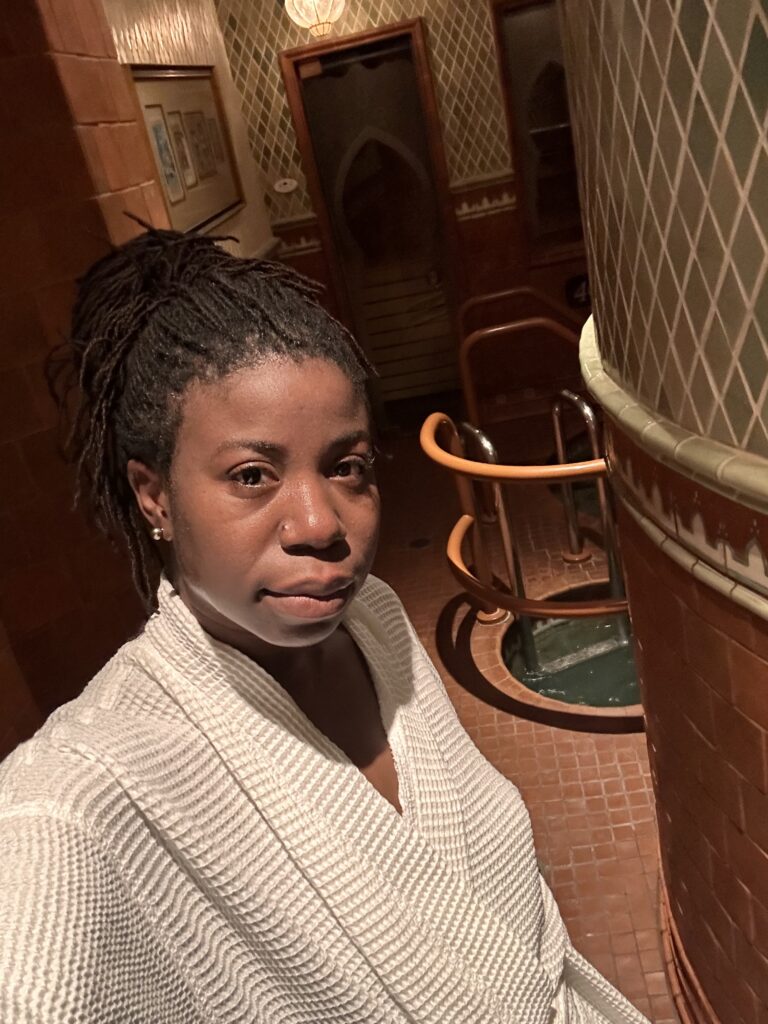

In fact, in 2026, wellness-toward resorts will focus less on curated spa menus and more on full-body wellbeing for every age. And this movement blends sustainable family vacations with everyday practicality. It takes the pressure off parents to manage everyone’s needs and lets the environment do some of the heavy lifting. A rested family is a happy family.
Consider: Sleep-forward rooms with blackout features, kid-friendly mindfulness activities, movement options for multiplegenerations, and designed-in downtime rather than optional downtime.
4. Sustainable Tourism is Shaping Preferences
In a similar vein to wellness, families want to feel present in the places they visit, and complete sustainable tourism is the natural next step. But instead of limiting impact, the goal is to leave the environment or community better than you found it. Parents are seeking experiences that build cultural awareness, ecological understanding, and local connection for the whole family.
Consider: reef-preservation afternoons, indigenous-led nature walks, artisan workshops, community food projects, or programs that teach kids about conservation in ways that feel hands-on and exciting.
5. Digital Detox Itineraries
We can’t talk about wellness and sustainability without acknowledging screens. They are part of modern family life, and that’s completely okay. What parents are focusing on now is creating small, intentional pauses during their trips. Because of that shift, digital detox itineraries are set to rise in 2026 for families who want a more fulfilling sense of connection.
These experiences aren’t about restrictions, though. They’re more focused on creating opportunities for play. And one of the most striking patterns emerging in traveler behavior is how strongly families prioritize shared fun. Parents see that their kids inspire them to try new experiences. Kids want to influence the daily plan. But of course, doesn’t everyone benefit from a few hours without notifications? I vote YES!
Consider: unplugged cabins, nature-first excursions, screen-free dinners, and guided activities that naturally pull kids and adults into the moment.
6. Multigenerational and “Expanded” Travel Groups
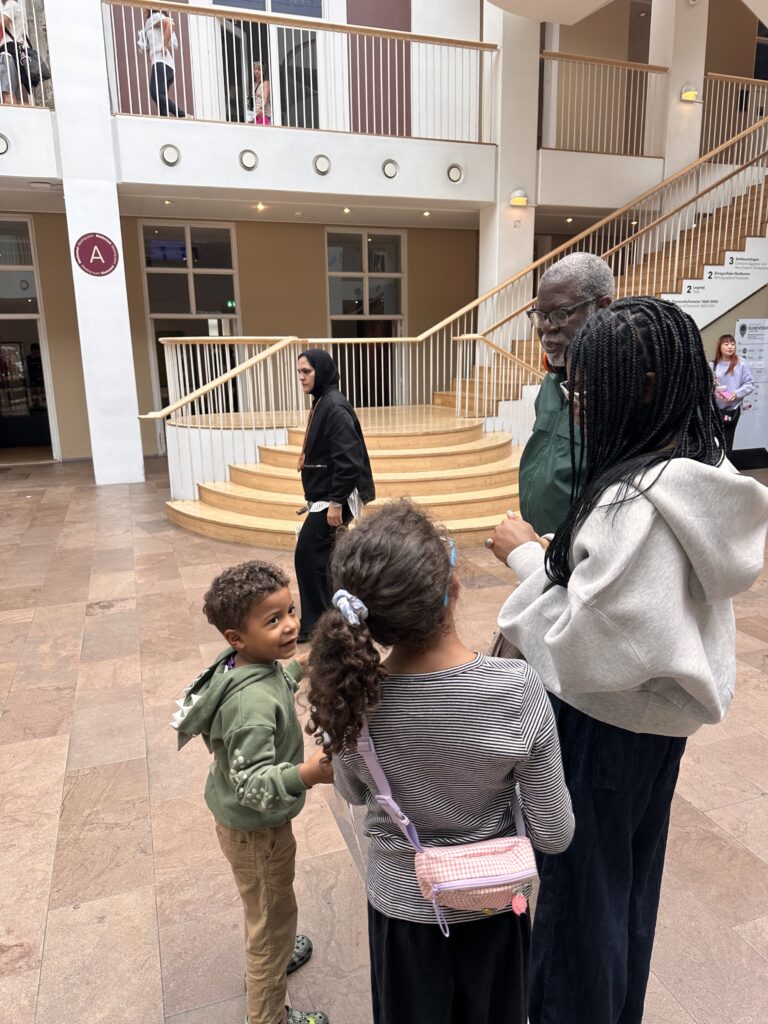
Another major shift for 2026 is the rise of expanded travel groups. Families are more commonly traveling with grandparents, cousins, close family friends, and even the occasional tag-along best friend. Travelers increasingly want more people involved, which means more people helping shape the itinerary.
So, with more people involved (and more people to please!), everything from booking accommodations to choosing excursions is becoming a higher planning priority than it already was. However, the bigger trend at play here is the value placed on shared time. Families want moments where everyone, from the toddler to the great-grandparent, has something to contribute.
Consider: cultural workshops, local sports events, music festivals, hands-on classes, small-group tours, and nature experiences all climb to the top of the list.
Key Takeaways for Your 2026 Travel Planning
Travel in 2026 invites families to rethink how a trip begins. Instead of starting with a list of activities, many travelers are starting with a feeling. They picture the kind of energy they want at the end of the week and work backward from there. This shift is changing how people design a great family vacation because the focus moves toward balance rather than busyness.
If you want guidance that supports this way of planning, The Sawyer Campaign can walk you through it. My aim is to make family travel feel clearer, calmer, and more meaningful, with resources that help you plan with confidence and enjoy the moments that you could remember for a lifetime.